Aug 20, 2026Buying Guides
How to Choose Plush Fabric for Stuffed Toys: A Buyer’s Guide
How to Choose Plush Fabric for Stuffed Toys: A Buyer’s Guide
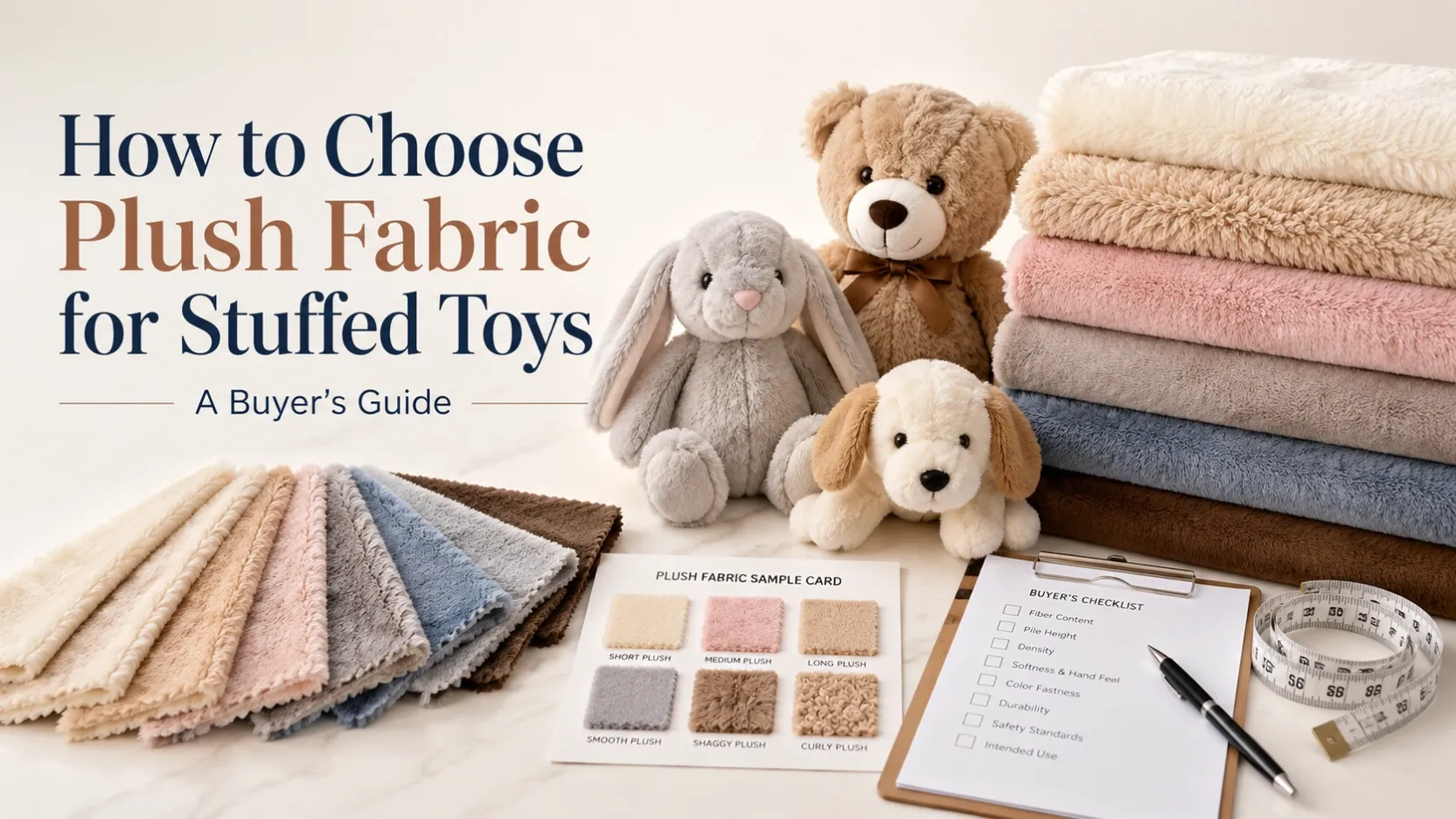
How to Choose Plush Fabric for Stuffed Toys: A Buyer’s Guide
When producing stuffed toys, choosing the right plush fabric is an important step that affects the final appearance, softness, durability and customer experience.
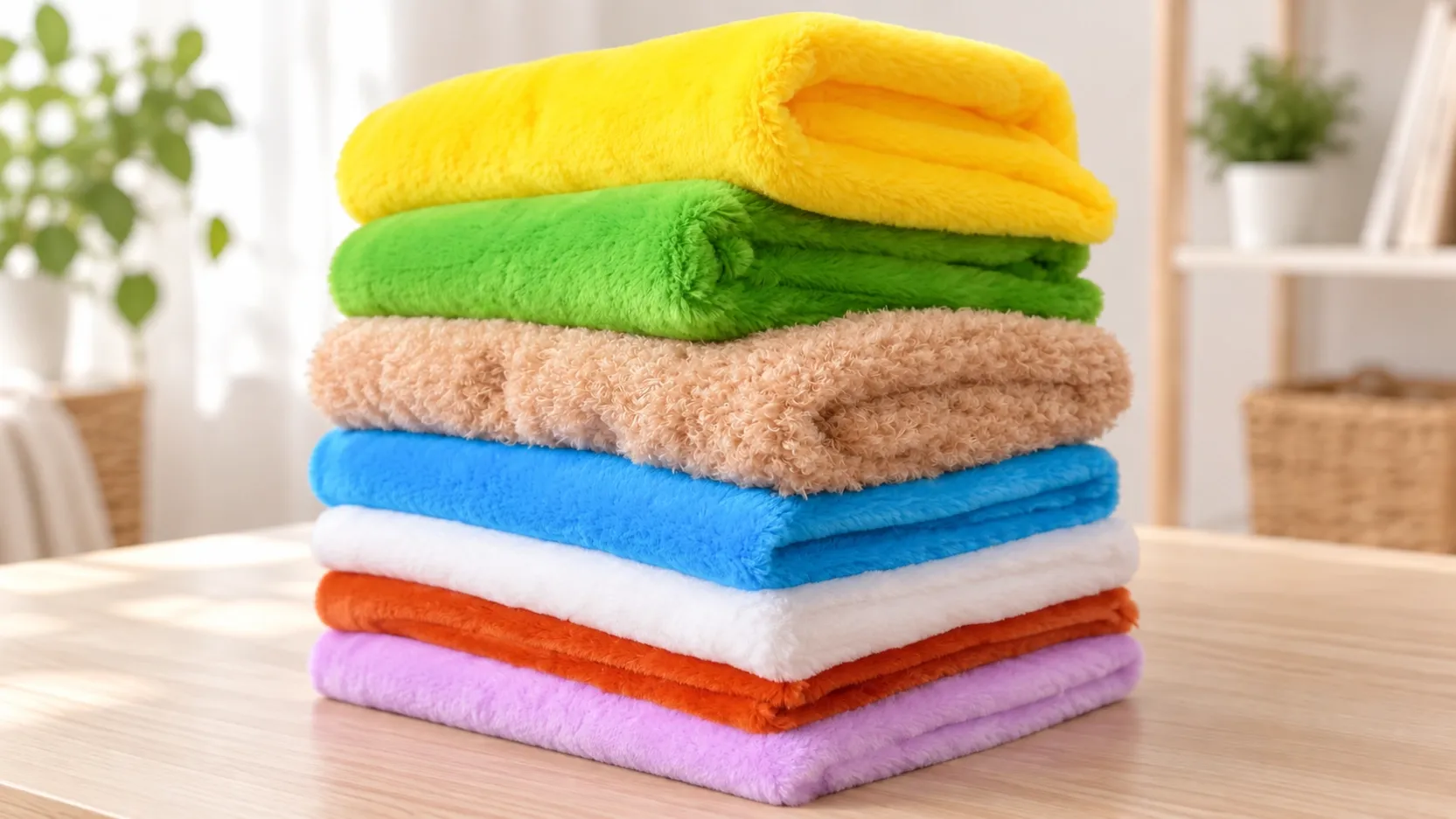
Different plush fabrics create different effects. Toy manufacturers usually consider pile height, hand feel, fabric weight, color consistency and production requirements before placing bulk orders.
1. Consider the Pile Height
Pile height determines the surface appearance and softness of plush fabric.
Short pile fabrics usually create a smooth and clean surface, making them suitable for detailed toy designs.
Long pile fabrics provide a fuller and fluffier appearance, which is often preferred for teddy bears, plush animals and cozy products.
Common options include:
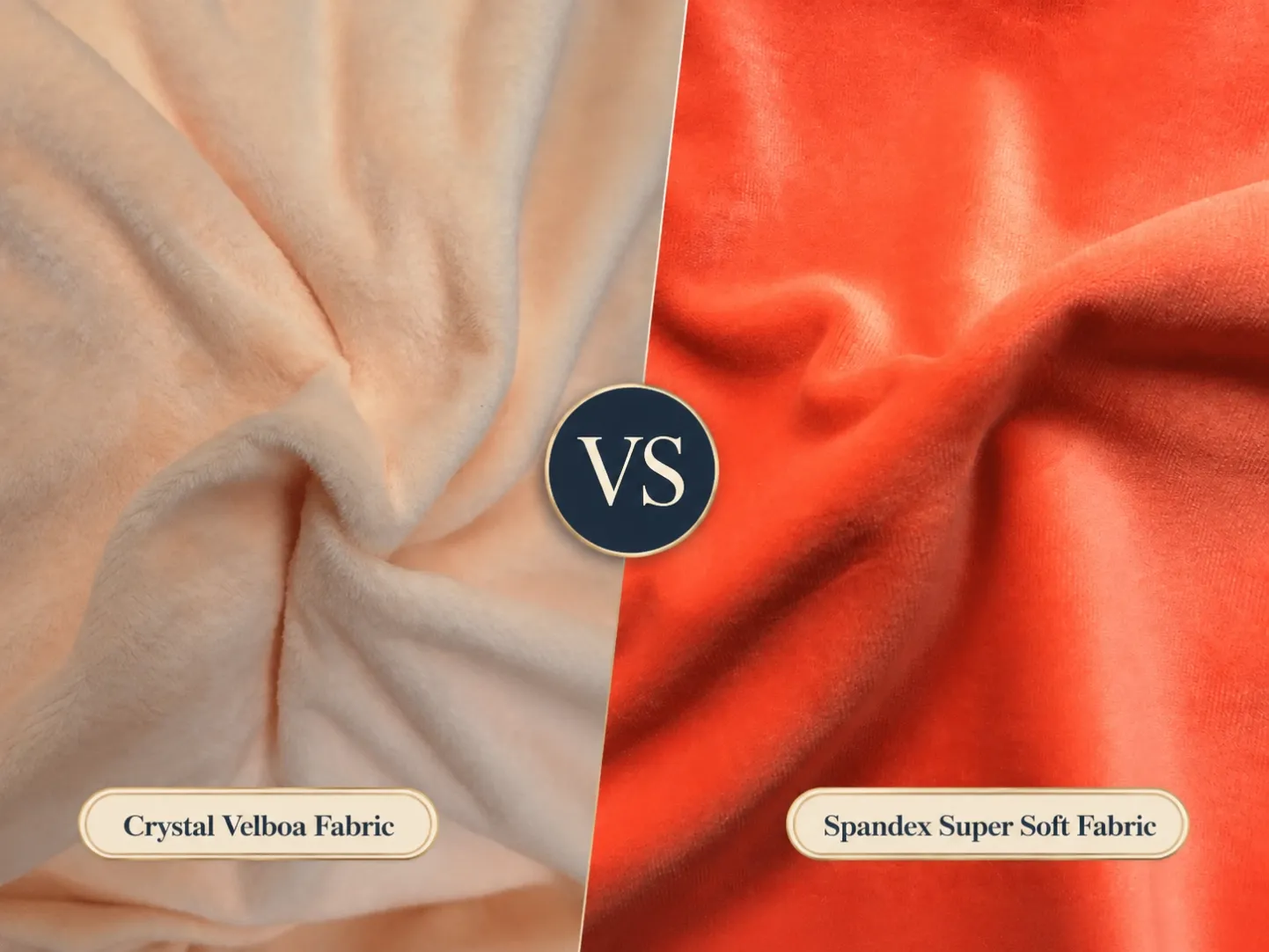
- Crystal Velboa
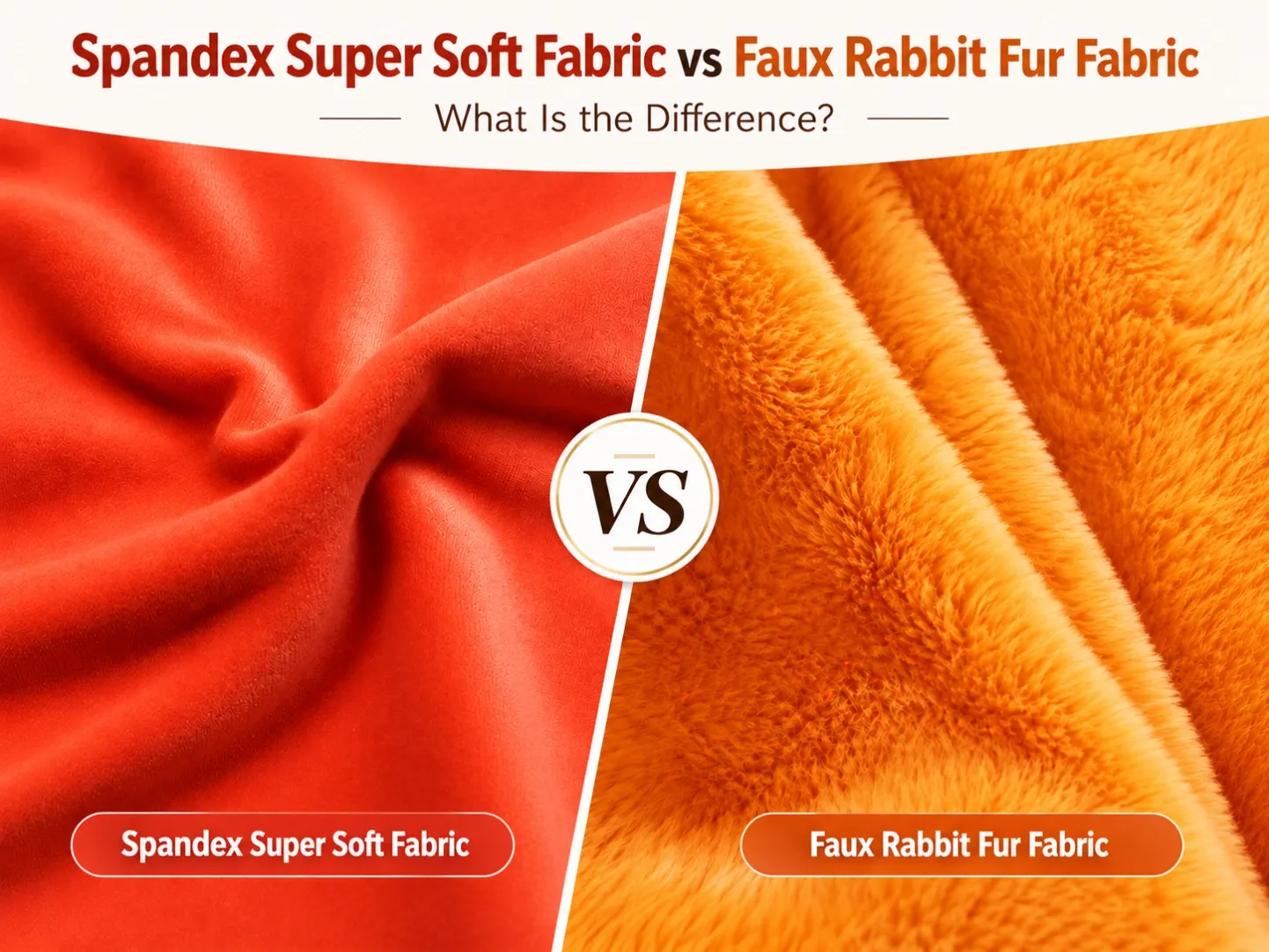
- Super Soft Fabric
- PV Plush Fabric
- Faux Rabbit Fur
- Teddy Plush Fabric
Each fabric type provides a different visual effect.
2. Choose the Right Hand Feel
For stuffed toys, softness is one of the most important requirements.
Some products need a smooth and delicate touch, while others require a thicker and warmer feeling.
For example:
Crystal Velboa
offers a short, smooth and velvet-like surface.
PV Plush
provides a fuller pile with a fluffy and cozy feeling.
Faux Rabbit Fur
creates a longer hair effect with a premium appearance.
3. Check Fabric Weight and Thickness
Fabric weight affects the final quality and production cost.
A higher GSM fabric usually provides:
- fuller appearance
- better covering ability
- stronger visual quality
However, the best choice depends on the toy design and sewing requirements.
Buyers should confirm:
- GSM
- width
- pile height
- backing quality
before bulk production.
4. Confirm Color Requirements Before Production
Color consistency is especially important for stuffed toys.
Before bulk production, buyers should confirm:
- standard color samples
- acceptable color difference
- production color approval process
Custom colors can be developed according to buyer requirements.
5. Work With an Experienced Plush Fabric Manufacturer
A reliable supplier should provide support from sampling to bulk production.
Important factors include:
- stable quality control
- consistent production capacity
- clear communication
- experience with export orders
At YISHUN, we manufacture polyester plush fabrics including PV plush, faux fur, crystal velboa and super soft fabrics for stuffed toys, garments, home textiles and other applications.
Conclusion
Choosing the right plush fabric helps stuffed toy manufacturers achieve better appearance, softness and production stability.
Understanding pile height, hand feel, GSM and color requirements before ordering can reduce problems during mass production.