Sep 9, 2026Buying Guides
How to Choose the Right GSM for Plush Fabric: A Buyer’s Guide
Learn how GSM affects plush fabric weight, hand feel, appearance, cost and applications, and what buyers should confirm before bulk ordering.
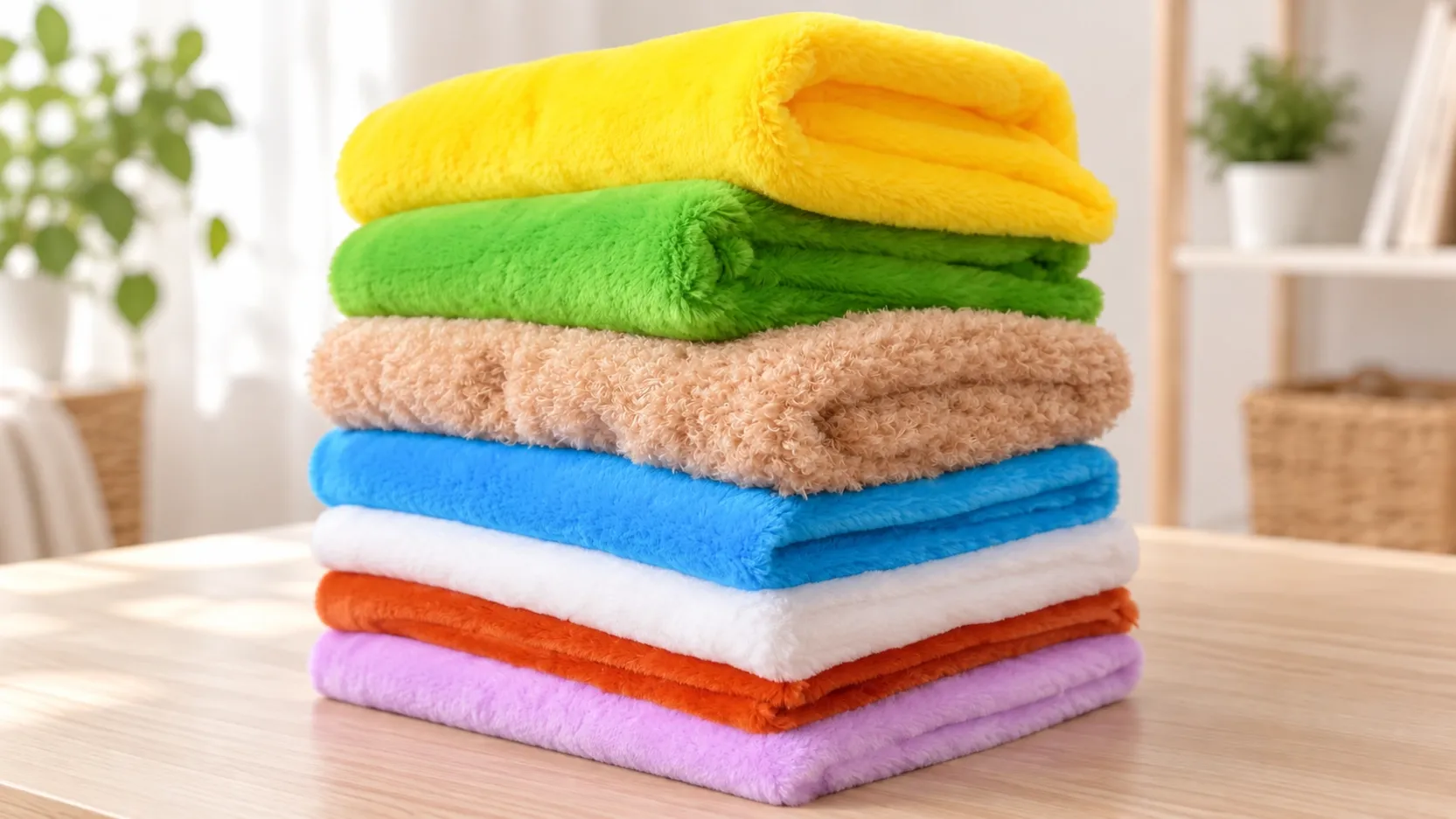
When sourcing plush fabric, GSM is one of the most common specifications buyers need to confirm before sampling or bulk production.
GSM means grams per square meter and is used to describe the weight of a fabric. However, a higher GSM does not automatically mean a better plush fabric.
The right GSM depends on the fabric construction, pile height, density, hand feel and final application.
What Does GSM Mean in Plush Fabric?
GSM stands for grams per square meter.
For example, a fabric listed as 250 GSM weighs approximately 250 grams per square meter.
In plush fabrics, GSM can be affected by:
- Yarn type
- Pile height
- Pile density
- Ground fabric structure
- Finishing process
- Stretch construction
This is why two fabrics with the same GSM may still feel very different.
Does Higher GSM Mean Better Quality?
Not necessarily.
A higher GSM fabric may feel:
- Fuller
- Heavier
- Denser
- Warmer
But this does not mean it is automatically more suitable for every product.
For example, a lightweight plush toy may require a soft fabric that is easy to sew and shape, while a blanket or cushion may need a fuller and heavier surface.
The correct GSM should match the final product rather than simply choosing the highest number.
How GSM Affects Plush Fabric Performance
1. Hand Feel
Fabric weight can influence softness and fullness.
A fabric with higher density may feel more substantial, while a lighter fabric may feel softer and more flexible.
However, finishing and pile structure also play an important role.
2. Appearance
Higher fabric weight can create a fuller surface, especially when combined with suitable pile height and density.
For decorative products or premium plush toys, buyers may prefer a richer visual appearance.
3. Sewing and Production
Fabric weight also affects cutting and sewing.
A heavier plush fabric may require different sewing settings than a lighter fabric.
For stuffed toys and shaped products, flexibility can be just as important as weight.
4. Cost
Higher GSM usually means more raw material is used per square meter.
This may affect both fabric cost and shipping weight.
For bulk orders, buyers should consider the balance between product appearance, performance and total cost.
How to Choose GSM for Different Applications
There is no single GSM that is suitable for every plush product.
Stuffed Toys
For stuffed toys, buyers usually consider:
- Softness
- Pile height
- Fabric flexibility
- Surface density
- Sewing performance
The ideal weight depends on the toy design and required appearance.
Blankets and Home Textiles
For blankets, throws and cushions, buyers may focus more on:
- Fullness
- Warmth
- Surface appearance
- Durability
A fuller construction may be preferred when the product needs a soft and substantial hand feel.
Apparel
For garments, weight should be considered together with:
- Drape
- Stretch
- Flexibility
- Comfort
A fabric that is too heavy may not be suitable for some apparel designs.
Pet Products
For pet beds, cushions and soft accessories, buyers may need to balance:
- Softness
- Fabric strength
- Weight
- Easy production
- Surface durability
GSM Should Not Be Confirmed Alone
One of the most common mistakes in plush fabric sourcing is comparing fabrics only by GSM.
Before bulk production, buyers should also confirm:
- Material composition
- Pile height
- Finished width
- Surface density
- Stretch
- Hand feel
- Color
- Final application
For example, a short-pile fabric and a long-pile fabric may have similar GSM but completely different appearance and performance.
Why Physical Samples Are Important
Photos can show color and surface appearance, but they cannot fully show:
- Fabric weight
- Softness
- Density
- Stretch
- Pile direction
For custom plush fabric orders, a physical reference sample is usually the most practical way to confirm the target quality.
Buyers can also provide an existing fabric specification if a physical sample is not available.
What Information Should Buyers Send for a Quotation?
To receive a more accurate quotation, it is helpful to provide:
- Fabric type
- GSM
- Width
- Pile height
- Color
- Quantity per color
- Final application
- Delivery destination
If some specifications are unknown, the final product application can help the supplier recommend a suitable starting point.
Conclusion
GSM is an important specification when buying plush fabric, but it should always be considered together with pile height, density, width, hand feel and final application.
The best fabric is not always the heaviest one. It is the fabric that matches the product requirements and production process.
YISHUN PLUSH supports custom plush fabric development based on samples and specifications. Buyers can send us their target fabric, required GSM, width, pile height, color and estimated quantity for review before sampling or bulk production.